All Categories - SHANXI LONGYUAN DATONG TECHNOLOGY CO., LTD
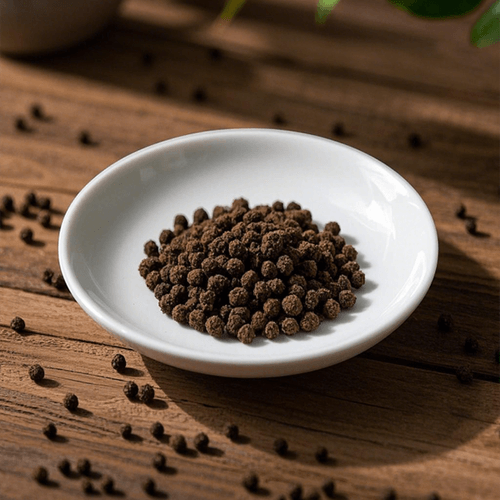
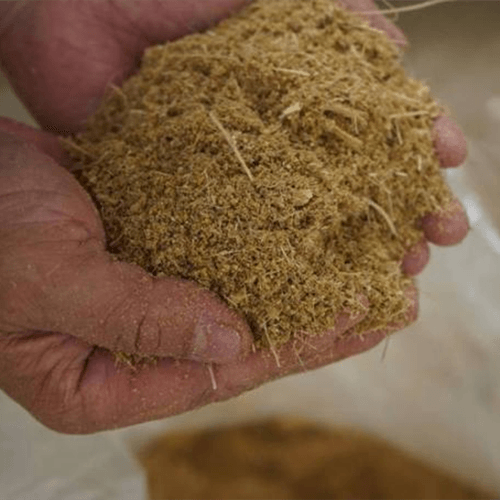
Biomass organic fertilizer: Sheep manure fertilizer
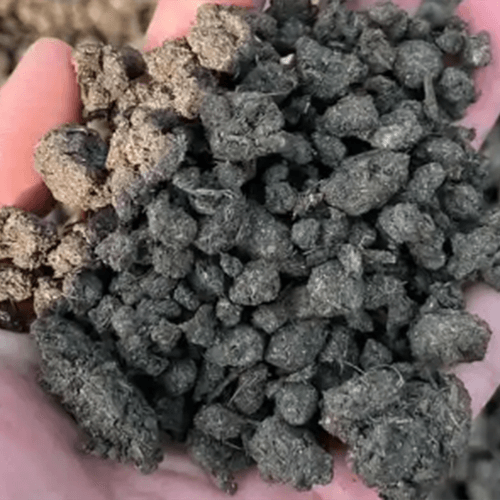
Basic components: Sheep manure contains rich organic matter, with the content generally above 25%. It can significantly improve the soil structure and increase soil fertility. It contains a large amount of major elements such as nitrogen, phosphorus, and potassium. Among them, the nitrogen content is approximately 0.7%-0.8%, the phosphorus content is about 0.45%-0.6%, and the potassium content is 0.4%-0.5%. It also contains medium elements such as calcium, magnesium, and sulfur, as well as trace elements such as iron, manganese, zinc, and boron, which can provide comprehensive nutrients for crops. In addition, sheep manure is rich in humic acid, with the content reaching 16%-20%. It can promote the formation of soil aggregate structure and enhance the soil's water and nutrient retention capacity.
Biological Organic Fertilizer: Chicken Manure Fertilizer
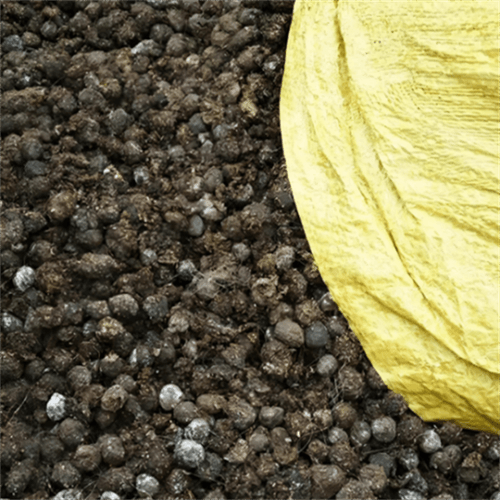
Organic Matter: Chicken manure is rich in organic matter, with the content usually around 25%-30%. It can effectively improve the soil structure, enhance the soil's water and nutrient retention capacity, and increase soil fertility.
Macroelements: It is rich in macroelements essential for plant growth, such as nitrogen, phosphorus, and potassium. Among them, the nitrogen content is approximately 1.63%, the phosphorus content is about 1.54%, and the potassium content is around 0.85%. These nutrients can provide sufficient nutritional support for the growth of crops.
Medium and Trace Elements: It also contains medium elements such as calcium, magnesium, and sulfur, as well as trace elements such as iron, manganese, zinc, and copper. This is helpful for the comprehensive growth and development of crops, and can improve the stress resistance and quality of crops.
Other Components: Chicken manure contains a certain amount of substances such as amino acids and humic acid. These substances can stimulate the growth of crop roots and enhance the crop's ability to absorb nutrients.
Organic Fertilizer Made from Kitchen Waste and Garden Waste
Composition Characteristics
Kitchen waste: It includes leftovers, fruit peels and cores, residues of meat, fish and shrimp, etc. It is rich in protein, fat, carbohydrates and various minerals, serving as an excellent source of nitrogen and carbon for organic fertilizers.
Garden waste:Such as pruned branches, leaves, weeds, etc. The main components are cellulose, hemicellulose and lignin. They can provide a certain amount of carbon source and a small quantity of mineral elements, and increase the content of organic matter in the fertilizer.
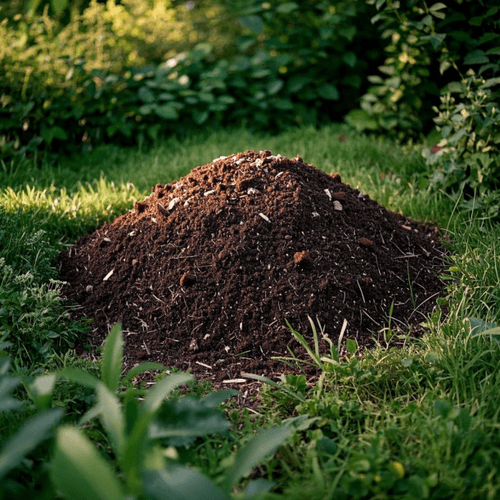
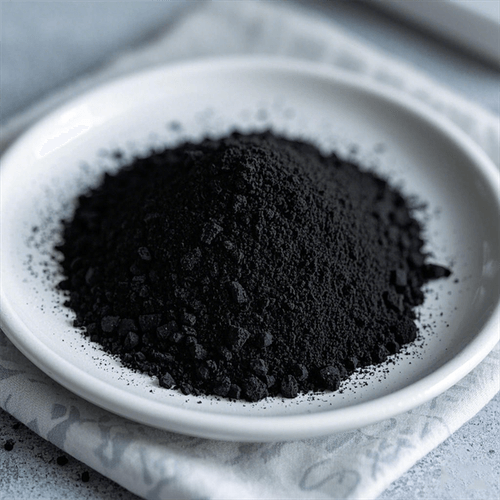
It is made through processes such as pretreatment, fermentation, and decomposition. It is rich in nitrogen, phosphorus, potassium and trace elements. It can improve the soil structure and enhance the microbial activity. It is suitable for the cultivation of fruits, vegetables, flowers, lawns, etc., and is both environmentally friendly and highly efficient.
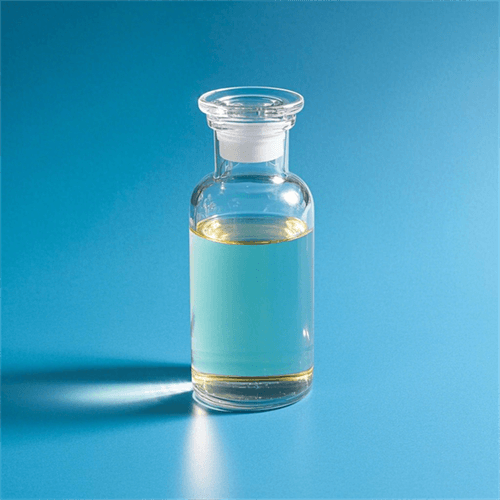
Sebacic acid
Chemical Name: Sebacic acid, also known as 皮脂酸 (sebum acid in Chinese), and its chemical name is 1,8 - octanedicarboxylic acid.
Molecular Formula: C10H18O4
Chemical Structure: HOOC(CH2)8COOH
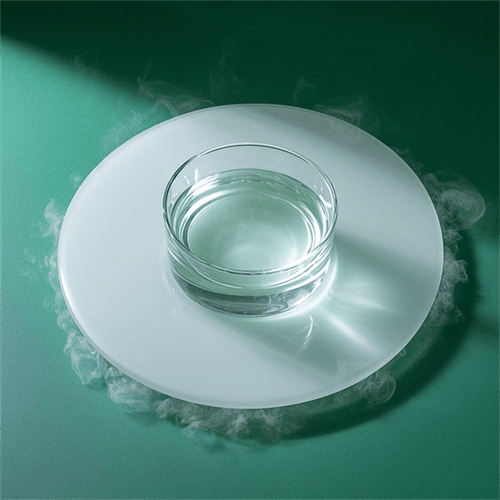
Properties: Sebacic acid is directly produced from castor oil, with a content of over 99.5%. At room temperature, it appears as white flake - like crystals or powder, and is combustible. It is slightly soluble in water, hardly soluble in benzene, petroleum ether, etc., and easily soluble in organic solvents such as ethanol and ether.
CAS Number: 111 - 20 - 6
Melting Point: 131 - 134.5℃
Boiling Point: 294.5℃
Plant-based Organic Fertilizer: Crop Straw Fertilizer
Composition Characteristics
High content of organic matter: Crop straws are rich in organic substances such as cellulose, hemicellulose, and lignin, and the content of organic matter is usually above 70%. After these organic substances are decomposed in the soil, they can increase the soil fertility and the soil's ability to retain water and nutrients.
Abundant nutrient elements: In addition to a large amount of organic substances, straws also contain major nutrient elements such as nitrogen, phosphorus, and potassium, as well as various medium and trace elements such as calcium, magnesium, sulfur, iron, and zinc. The nutrient content varies among different types of straws. For example, the straws of leguminous crops have a relatively high nitrogen content, while the straws of gramineous crops are rich in potassium.
Sodium sulfate
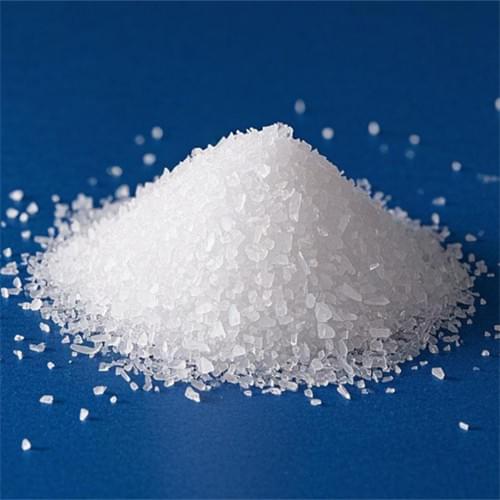
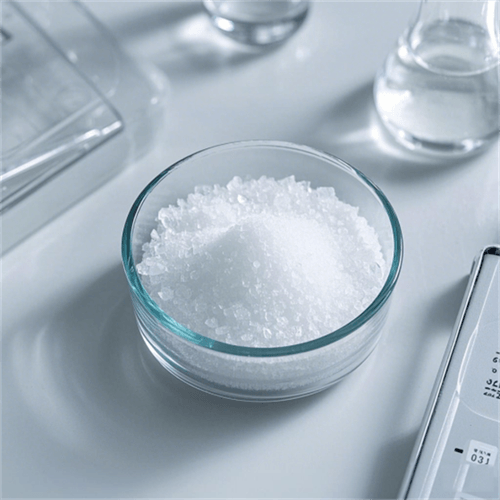
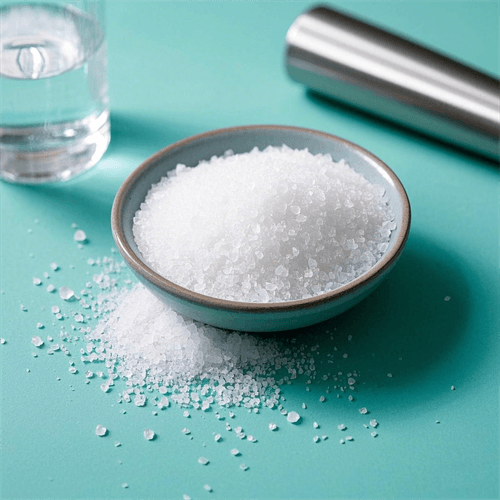
Sodium sulfate, also known as sodium sulfate anhydrous (Yuanmingfen), is an inorganic compound. Generally, it exists in two forms. One is the anhydrous form, with the chemical formula Na₂SO₄. It is a white crystalline powder, odorless and having a bitter taste. The other form is that one sodium sulfate molecule is combined with ten water molecules, which is called sodium sulfate decahydrate, also known as mirabilite, and its chemical formula is Na₂SO₄·10H₂O. It can remain stable in dry air and has strong hygroscopicity. It is easily soluble in water, and the solution is generally colorless. The aqueous solution is neutral or slightly alkaline. At different temperatures, the solubility of sodium sulfate in water varies. Generally speaking, as the temperature rises, the solubility increases. It is insoluble in ethanol, strong acids, aluminum, and magnesium, but soluble in glycerol. The melting point of anhydrous sodium sulfate is 884°C, and the boiling point is 1404°C.
CAS Number:7757-82-6
Kaolin
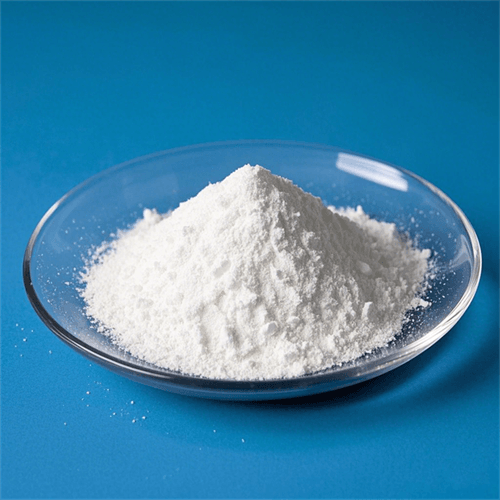
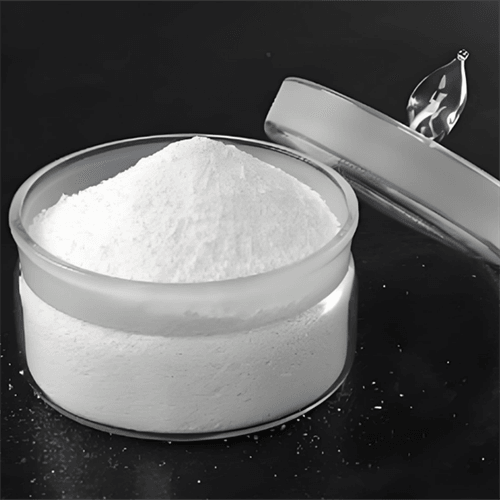
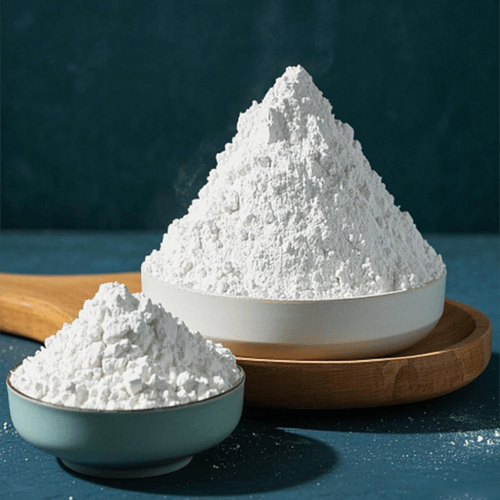
Kaolin, also known as bentonite, bentonite rock, porcelain clay, Guanyin clay, etc., is a general term for clay or ore mainly composed of kaolinite group minerals. It got its name because it was first discovered in Gaoling Village, Jingdezhen City, Jiangxi Province, China. Its main component is hydrated aluminum silicate, and the general chemical composition includes SiO₂, Al₂O₃, Fe₂O₃, TiO₂, (K₂O + Na₂O), etc. The chemical formula of kaolin mineral crystals is 2SiO₂·Al₂O₃·2H₂O. Its theoretical chemical composition consists of 46.54% SiO₂, 39.5% Al₂O₃, and 13.96% H₂O. Kaolin group minerals belong to the 1:1 type layered silicate.
Cookie Use
We use cookies to ensure a smooth browsing experience. By continuing we assume you accept the use of cookies.
Learn More